
How it Works
From a single sale to a lifetime of revenue
Every garment becomes a digital asset with a lifetime of value.
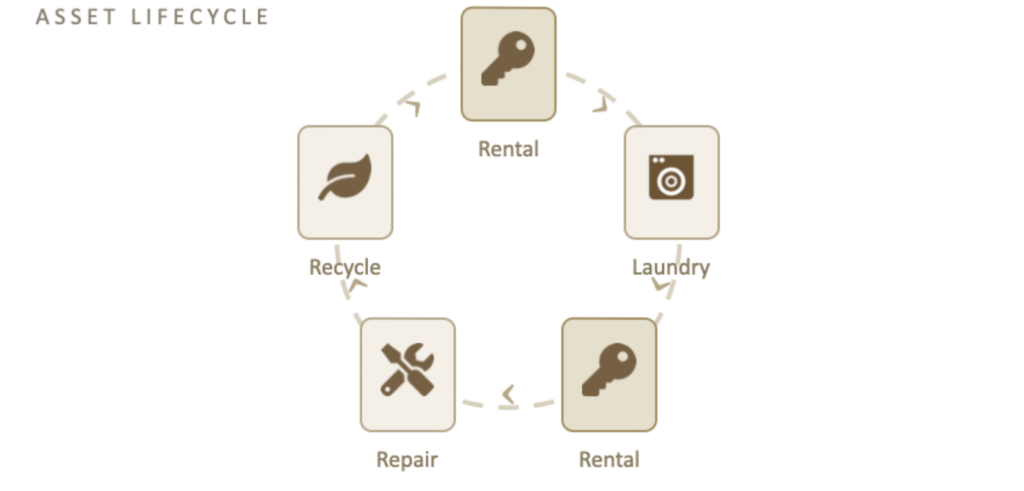
At its core, The Wardrobe assigns every garment a unique digital identity, tracking its lifecycle from first sale through rental, wash, repair, and eventually recycle. We move beyond the one-time transaction to create a managed, continuously circulating, revenue-generating asset. Smart logistics meet real-time data to make circularity your most profitable business unit.
Discover our process
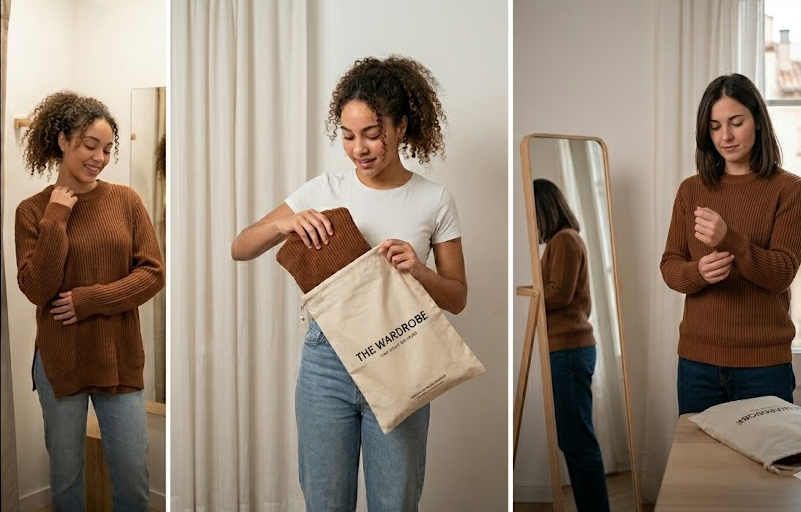
Each item in a brand’s catalogue goes through a curated cycle of new, past season, and pre-owned garments, designed to maximise both variety for the customer and utilisation for the retailer.
① Step One: Asset Identification
② Step Two: Revenue Recirculation
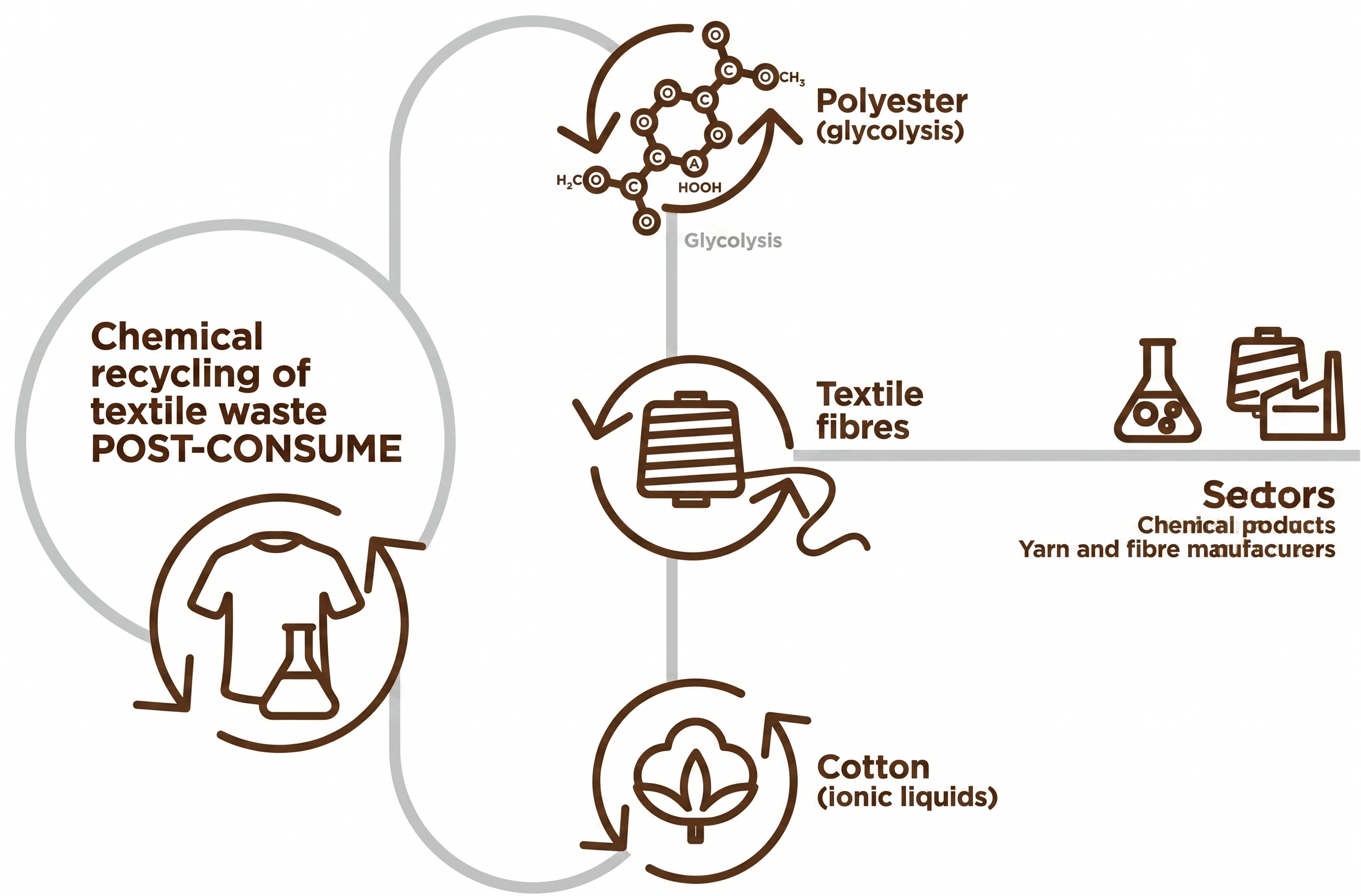
③ Step Three: Molecular Closing
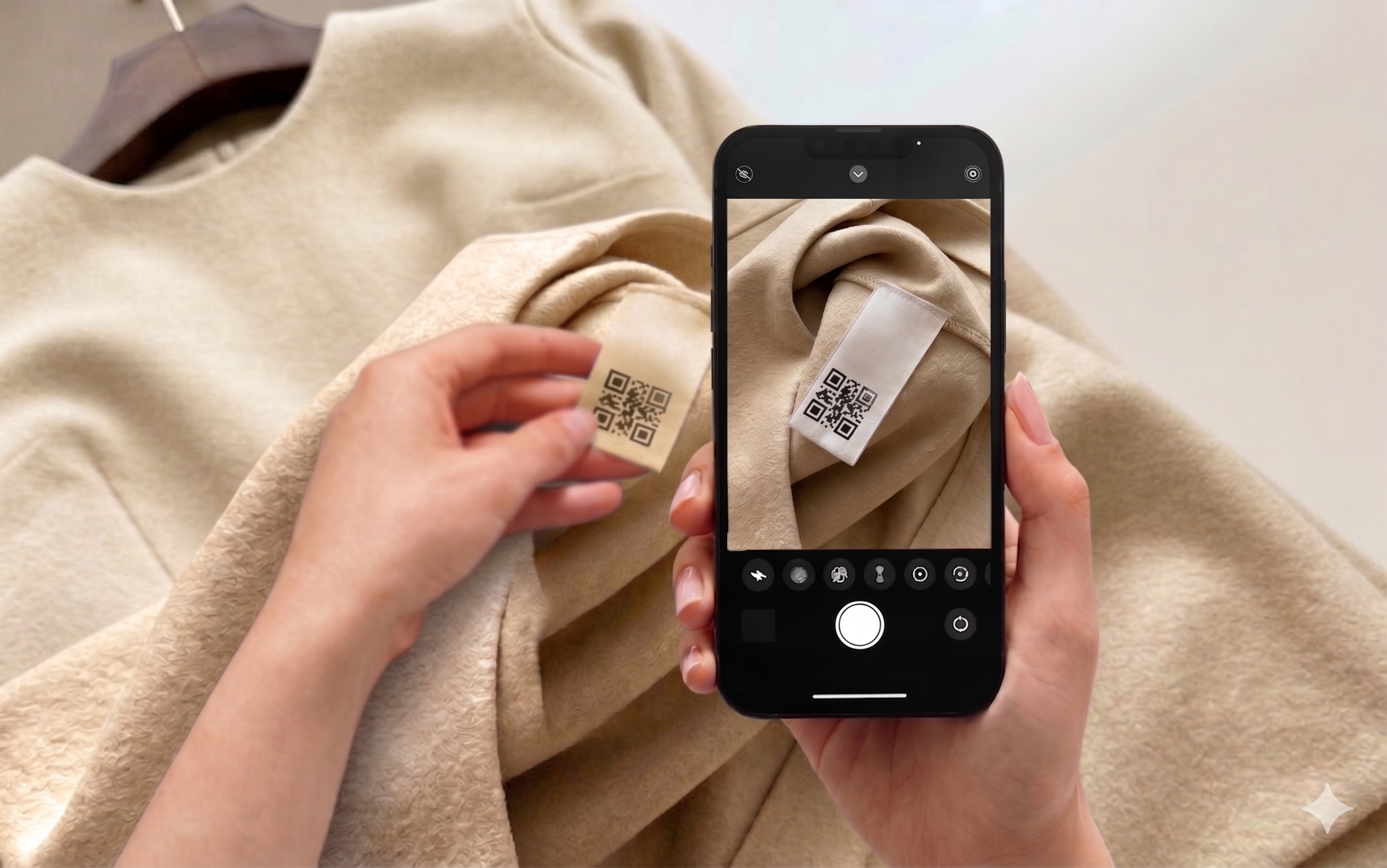
Every garment carries a unique digital twin (RFID/NFC) linking to its entire lifecycle and repair history.
Transition from a “Single Sale” model to a “Service Logic,” tripling the garment’s Lifetime Value (LTV) through 8–10 resale cycles.
When an asset reaches end-of-use, our engine triggers automated diversion to textile recycling, returning 100% of the fiber investment to your supply chain.
Where Operational Precision Meets Strategic Design.
We integrate directly into the retailer’s existing ecosystem as a white-label subscription layer.


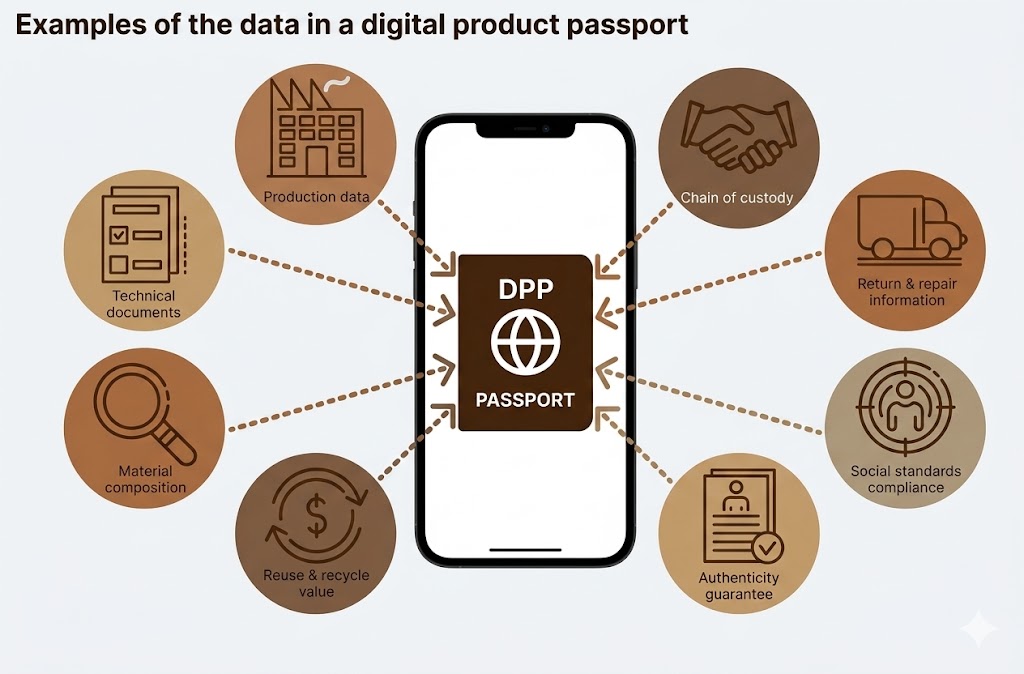
DPP Readiness
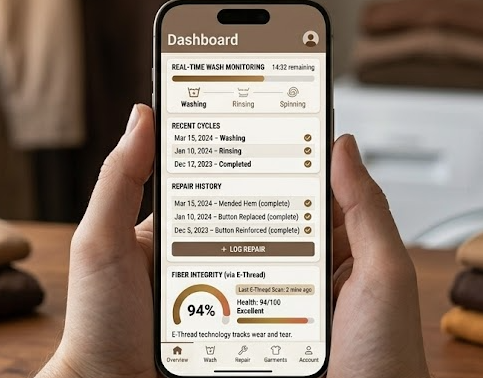
Health Scores
White-Label Integration
100% compliance with 2027 Digital Product Passport regulations.
Real-time monitoring of wash cycles, repair history, and fiber integrity via RFID E-Thread.
A seamless “Resale Power” plug-in for your native e-commerce platform.
Infrastructure Already Activated
The Wardrobe does not require brands to build new foundations. It activates what already exists: warehouses, transport, garment manufacturers, fabric suppliers, management and storage systems, repair flows, resale channels and reverse logistics.
Pre-existing systems, new revenue logic
Through a seamless API layer and an asset dashboard, brands can monitor inventory health scores, intuitive spend and usage patterns in real time. This allows brands to operate circularity as a live system — not a seasonal sustainability initiative.
-Reverse logistics network
-Inventory management integration
-Repair flow automation
-Resale channel activation
From linear retail to circular engine
The opportunity is to transform infrastructure built for obsolete linear retail into a coordinated circular engine. Brands that make this shift don’t just reduce waste — they unlock a new, recurring revenue stream from assets they already own.
-Full brand white-labelling
-No new capex required
-Plug into existing logistics
-Revenue live within 90 days
The Outcome
Everyone Wins
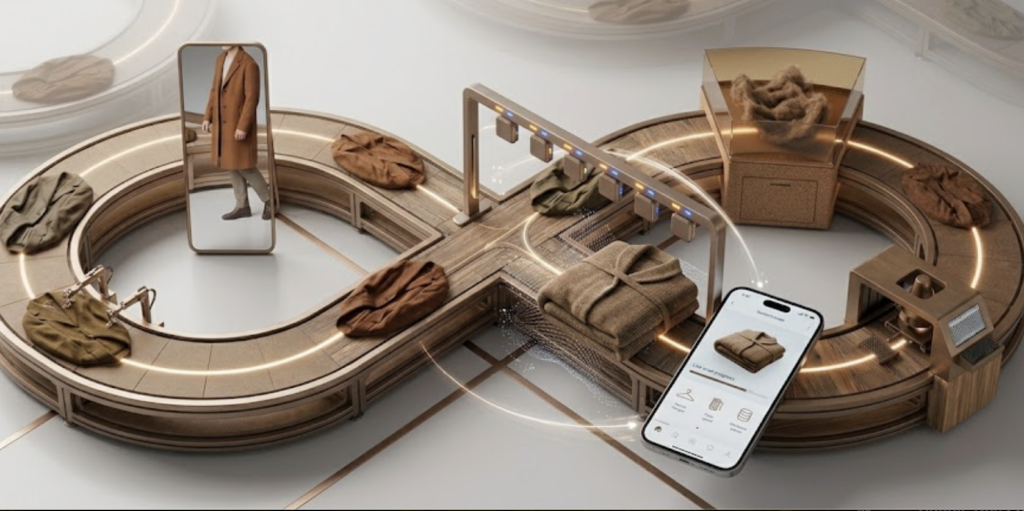
Each garment moves through multiple revenue cycles instead of one. That increases lifetime value while reducing waste, dead stock, and dependency on constant new production. For the customer, this creates continuous access without accumulation. For the retailer, it converts inventory from a depreciating cost into a compounding asset.
Your documents also frame this with concrete operational targets: stronger utilisation, predictive stocking, higher retention, and a full-cycle exit strategy in which end-of-life products are redirected into recycling partners rather than wasted.
The result is a closed-loop model where value is not extracted once, but realised over time.